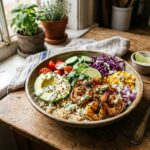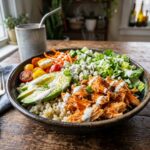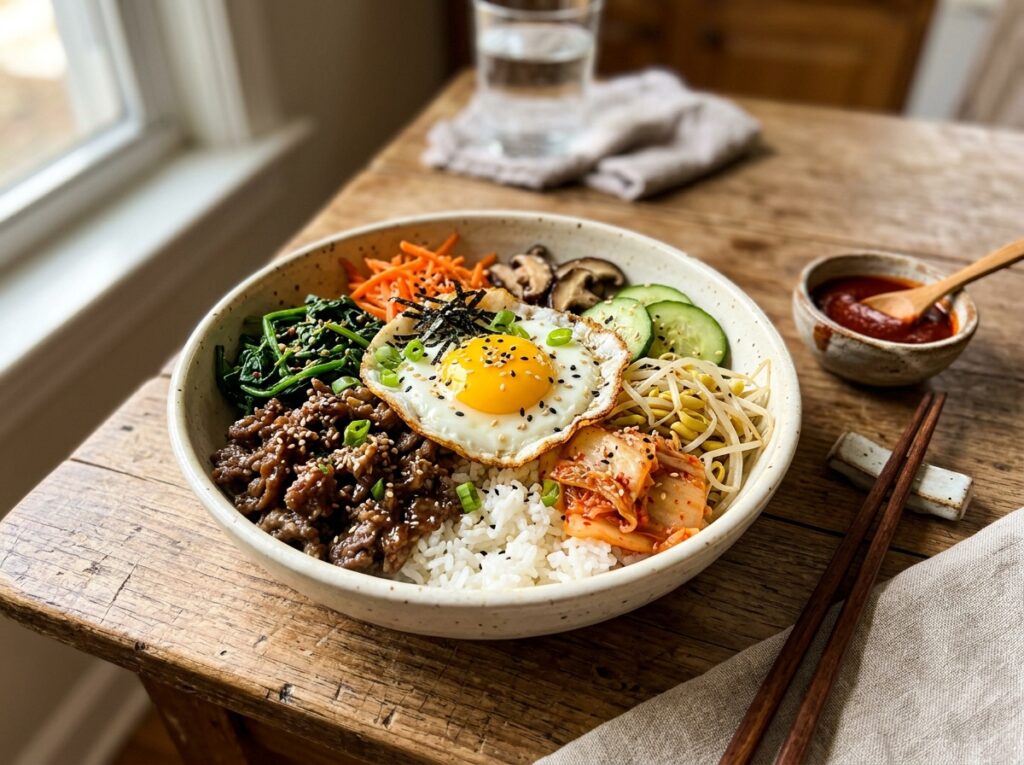

There’s something seriously satisfying about a big bowl packed with warm rice, savory Korean beef, colorful veggies, and a spicy-sweet sauce drizzled on top. This Korean Beef Bibimbap Meal Prep Bowl is one of those meals that feels restaurant-quality but is surprisingly easy to make at home.
It’s perfect for busy weekdays because everything stores beautifully in meal prep containers. You get juicy ground beef, crispy vegetables, fluffy rice, and a bold Korean-inspired flavor in every bite. Plus, it’s customizable, budget-friendly, and packed with protein.
If you’ve been looking for a healthy meal prep idea that doesn’t taste boring after day two, this recipe is going to become your new favorite.
Ingredients
For the Korean Beef
- 1½ pounds lean ground beef (90/10 recommended)
- 4 garlic cloves, minced
- 1 tablespoon fresh ginger, grated
- ¼ cup low-sodium soy sauce
- 2 tablespoons brown sugar
- 1 tablespoon sesame oil
- 1 tablespoon rice vinegar
- 1 tablespoon gochujang (Korean chili paste)
- 1 teaspoon black pepper
- 2 green onions, sliced
For the Rice
- 2 cups jasmine rice
- 4 cups water
- ½ teaspoon salt
For the Vegetables
- 2 cups shredded carrots
- 2 cups spinach
- 1 cucumber, sliced thin
- 1 cup bean sprouts
- 1 cup mushrooms, sliced
- 1 tablespoon sesame oil
- Pinch of salt
For the Bibimbap Sauce
- 3 tablespoons gochujang
- 1 tablespoon honey
- 1 tablespoon soy sauce
- 1 tablespoon sesame oil
- 1 teaspoon rice vinegar
- 1 teaspoon sesame seeds
Optional Toppings
- Fried eggs
- Kimchi
- Sliced avocado
- Sesame seeds
- Extra green onions
- Seaweed strips
Essential Kitchen Tools & Appliances
Before you start cooking, here’s everything you’ll want nearby:
- Large skillet or sauté pan
- Medium saucepan with lid
- Rice cooker (optional but helpful)
- Sharp chef’s knife
- Cutting board
- Mixing bowls
- Measuring cups and spoons
- Wooden spoon or spatula
- Small whisk
- Meal prep containers
- Colander or strainer
- Tongs
Preparation Steps
1. Prep the Vegetables
Wash and slice all your vegetables before cooking starts.
- Shred the carrots if needed.
- Slice mushrooms thinly.
- Cut cucumber into thin rounds or matchsticks.
- Rinse spinach and bean sprouts.
Keeping everything ready makes cooking much easier and faster.
2. Make the Bibimbap Sauce
In a small bowl, whisk together:
- Gochujang
- Honey
- Soy sauce
- Sesame oil
- Rice vinegar
- Sesame seeds
Set the sauce aside so the flavors can blend together while everything cooks.
3. Cook the Rice
Rinse jasmine rice under cold water until the water runs mostly clear.
Add rice, water, and salt to a saucepan or rice cooker.
Bring to a boil, reduce heat to low, cover, and cook for 15 minutes. Let it rest for another 10 minutes before fluffing with a fork.
The rice should be soft and slightly sticky.
Cooking Instructions
Step 1: Cook the Korean Beef
Heat a large skillet over medium-high heat.
Add the ground beef and cook for about 6–8 minutes, breaking it apart as it browns.
Drain excess grease if needed.
Add:
- Garlic
- Ginger
Cook for 1 minute until fragrant.
Now stir in:
- Soy sauce
- Brown sugar
- Sesame oil
- Rice vinegar
- Gochujang
- Black pepper
Let everything simmer for 3–4 minutes until the sauce thickens slightly and coats the beef.
Finish with sliced green onions.
Secret Tip:
Let the beef caramelize slightly at the bottom of the pan before stirring. That adds incredible flavor.
Step 2: Cook the Vegetables
Using the same skillet:
Spinach
Add spinach with a tiny splash of sesame oil and cook for 1–2 minutes until wilted.
Mushrooms
Cook mushrooms for 4–5 minutes until golden brown.
Bean Sprouts
Lightly sauté for 2 minutes.
The carrots and cucumber can stay raw for freshness and crunch.
Step 3: Fry the Eggs (Optional)
If adding eggs, fry them sunny-side up in a lightly oiled pan for 2–3 minutes.
A runny yolk makes bibimbap extra delicious.
How to Assemble the Meal Prep Bowls
Divide everything evenly into 4 meal prep containers:
- Rice
- Korean beef
- Spinach
- Carrots
- Mushrooms
- Cucumbers
- Bean sprouts
Top with:
- Sesame seeds
- Green onions
- Kimchi
- Fried egg (add fresh when serving if possible)
Keep sauce in separate small containers for best freshness.
Serving Suggestions
This bowl is amazing on its own, but here are a few ways to make it even better:
- Serve with kimchi for authentic Korean flavor.
- Add sliced avocado for creaminess.
- Pair with miso soup or cucumber salad.
- Sprinkle crushed seaweed on top.
- Add extra gochujang if you love spice.
For the best experience, mix everything together before eating so the sauce coats every bite.
Additional Tips & Easy Variations
Make It Healthier
- Use brown rice or cauliflower rice.
- Swap ground beef for ground turkey or chicken.
- Reduce brown sugar slightly.
Make It Vegetarian
Replace beef with:
- Crumbled tofu
- Tempeh
- Mushrooms
Meal Prep Storage Tips
- Store in airtight containers for up to 4 days.
- Keep cucumbers separate if you want them extra crisp.
- Reheat rice and beef before adding fresh toppings.
Flavor Boosters
- Add Korean chili flakes
- Drizzle spicy mayo
- Mix in garlic chili oil
Nutrition Information (Per Serving)
| Nutrient | Amount |
|---|---|
| Calories | 540 |
| Protein | 34g |
| Carbohydrates | 48g |
| Fat | 22g |
| Fiber | 5g |
| Sugar | 9g |
| Sodium | 780mg |
Nutrition values are approximate and may vary depending on ingredients used.
Frequently Asked Questions
Can I freeze these meal prep bowls?
Yes. The beef and rice freeze very well for up to 2 months. Fresh vegetables like cucumber are best added later.
What is gochujang?
Gochujang is a Korean fermented chili paste. It’s spicy, savory, slightly sweet, and gives bibimbap its signature flavor.
Gochujang
Can I make this low carb?
Absolutely. Replace the rice with cauliflower rice or shredded cabbage.
How spicy is this recipe?
It has a medium heat level. You can reduce the gochujang for a milder version.
What’s the best rice for bibimbap?
Jasmine rice and short-grain white rice both work great because they stay soft and slightly sticky.
Wrap-Up
This Korean Beef Bibimbap Meal Prep Bowl is one of those recipes that checks every box: easy, flavorful, colorful, filling, and perfect for busy weeks. The combination of sweet-savory beef, crisp vegetables, warm rice, and spicy sauce creates a meal that tastes exciting every single time.
Bibimbap actually means “mixed rice” in Korean, and traditionally, it’s all about bringing different textures and flavors together in one bowl. That’s probably why it never gets boring.
Once you try this homemade version, you’ll understand why bibimbap is loved all around the world. One bowl in, and you’ll already be planning when to make it again.